When people say a dictation tool is "accurate," they usually mean one thing: did it get my words right. But accuracy is really a stack of separate things, and a weak link anywhere makes the whole thing feel unreliable. Knowing the layers helps you fix the right one when it's off.
The model is only the start
Yes, the speech recognition model matters. Modern ones are dramatically better than what shipped with your laptop five years ago, especially with accents, fast talkers, and background chatter. But a great model fed a bad signal still gives you bad results. Most accuracy complaints aren't actually the model's fault.
Your mic and your room do a lot of the work
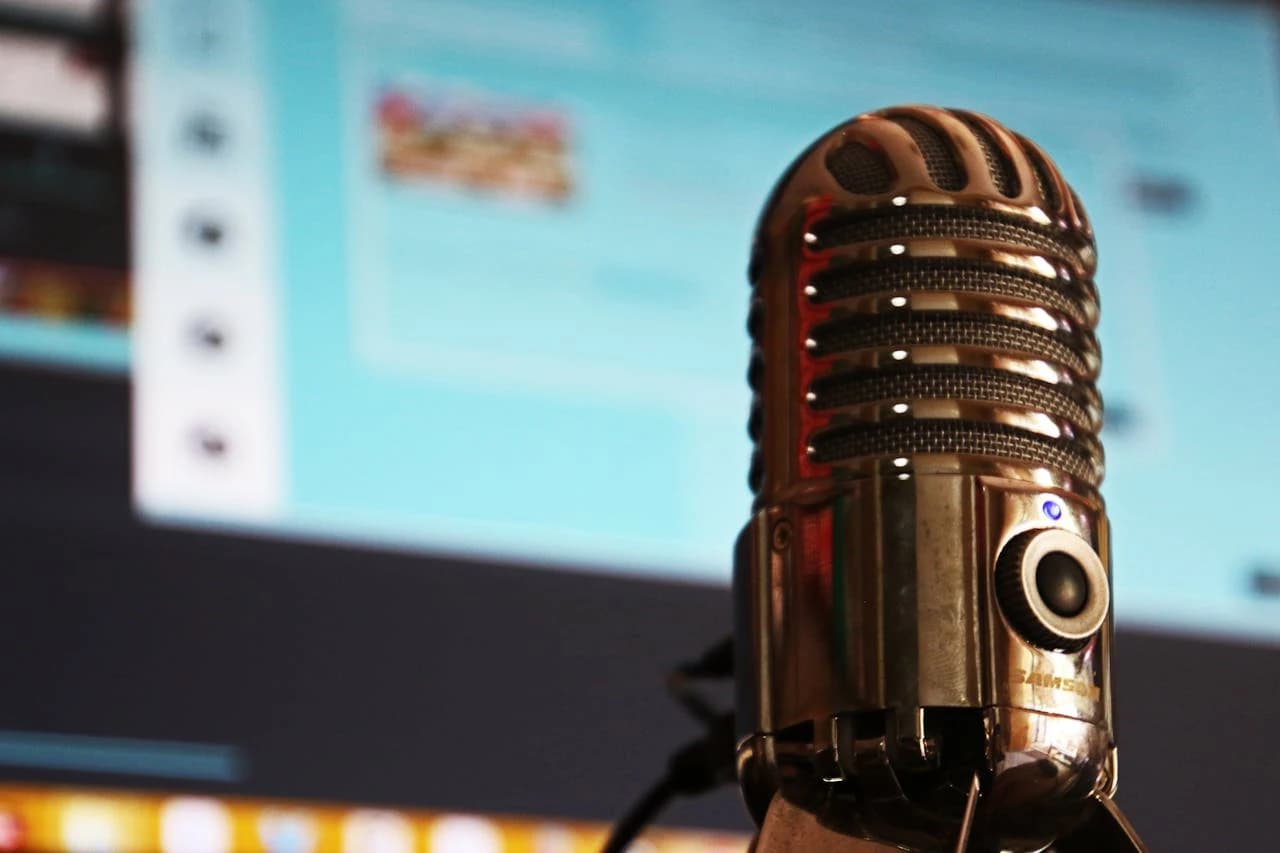
- A mic six inches from your mouth beats a laptop mic across the desk, every time.
- Hard, echoey rooms smear the audio. A bit of soft furniture genuinely helps.
- A fan, an AC unit, or a café behind you raises the floor the model has to climb over.
None of this is exotic. It's just that people blame the software when half the problem is that they're talking into a laptop hinge from two feet away.
The vocabulary problem
Here's where general tools quietly fail. They're trained on general language, so common words are near-perfect. But the words that are specific to you — names, brands, jargon, that one client whose surname is spelled strangely — are exactly the ones they guess at. And those are the words you most need right. A tool that lets you teach it your vocabulary closes that gap in a way raw model quality never can.
The part everyone forgets: what happens after
This is the big one. Even a perfect transcript of human speech reads badly, because humans don't talk in clean prose. We restart sentences, drop in filler, and trail off. So a tool can be 99% accurate at recognition and still hand you something you'd never send.
There's a difference between getting the words right and getting the writing right. The second one is what you actually feel.
That post-processing layer — removing filler, fixing punctuation, tidying the structure — is doing as much for your experience of "accuracy" as the recognition model is. It's just invisible, so nobody credits it.
Putting it together
Good accuracy is a strong model, a decent mic, a quiet-ish room, a tool you can teach your own words to, and a cleanup pass that turns recognised speech into real writing. Soundfox is built around that full stack rather than just the recognition step, which is why what lands on your page tends to read like you wrote it — not like a microphone heard it.